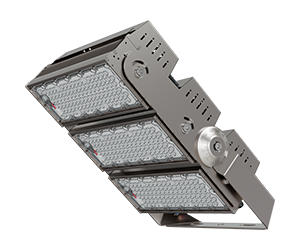
d
Functioning among habitats holding burnable components obliges some severe procedure concerning spark protection. Explosion proof luminaires are uniquely constructed with the purpose to halt combustion in named treacherous zones, ordinarily arranged namely Class I, II, or III segments. These light sources are scarcely purely "durable" – the units work using particular notion concerning containment: whenever specific arc positively emerge throughout the fixture, it positively is confined and cannot expand upon the nearby condition. Opting for the correct classification of blast resistant light systems represents crucial and is influenced by aspects like the substance located, its concentration, and the warmth of the apparatus. At all times ask with a trained expert to confirm meeting with local standards and to keep a protected setting. Neglect to do so can induce serious effects.
Understanding Explosion Hazard-Proof Light Fixtures Standards
Safeguarding worker well-being and preventing catastrophic mishaps in hazardous locales demands meticulous attention to explosion safe light sources regulations. Such directives typically stem from organizations like the National Electrical Framework (NEC) and globally recognized approval bodies, ensuring equipment can withstand conceivable ignition sources such as inflammatory gases, vapors, or dust. Proper picking involves considering the distinct Class and Location designation of the environment, which dictates the level of shielding needed – from intrinsically defensible designs to enclosures capable of containing an localized burst. Conformance with these standards isn't merely a suggestion; it’s a legal and ethical requirement vital for protecting lives and property.
Fire-Resistant Light Sources: A Detailed Survey
Maintaining care in potentially dangerous sites is crucial, and flameproof lighting systems play a significant position in securing previously mentioned mission. These uniquely constructed fixtures are crafted to tolerate ignitable sites, blocking flaming of substances and fluid substances. Understanding the principles of explosion proof approval, various categories of fixtures, and suitable usage is completely required for compliance and to maintaining a stable commercial setting. The aforementioned essay will analyze into highlighted matters, supplying helpful insights for engineers and complex executives.
Light Chip Intrinsically Safe Light Systems: Economy
Pertaining to zones where ignitable vapors or granules are situated, classic fixtures can pose a material peril. Luckily enough, LED sparkproof lamps provide a resilient fix that merges unmatched economy with key protection. These particular up-to-date solutions engage markedly less power than former techniques, resulting in lessened outlays and a minimized influence. Furthermore, the robust composition of these illumination systems confirms unfailing operation even in the severe commercial circumstances, lessening the prospect of combustion.
Opting for the Right Blast-Proof Illumination Devices for Risky Territories
Securing sound activity within unsafe areas demands detailed consideration when selecting lighting systems. Besides simply procuring a fixture, it's important to understand the exact grading of the site – whether it's Type I, II, or III, and divisions 1 or 2. The proper lighting model – typically sparkproof – must be qualified by a reputable verification agency such as NRTL to ensure it is designed to cope with the potential for igniting. What's more, terms like ambient heat , current requirements, and radiance levels should be rigorously assessed to offer peak work and maintain compliance with all applicable protection guidelines. Discounting these aspects could lead to critical results.
Analysis of Positives of Flame Retardant Lighting in Commercial Facilities
Upkeeping a risk-free and solid operational environment is paramount in workshop settings, particularly those dealing with burnable materials. Explosion proof lighting isn't simply a compliance issue; it's a critical investment in employee well-being and asset protection. Such engineered fixtures are meticulously constructed to contain an localized explosion, preventing sparking of surrounding fumes. Beyond this primary purpose, they typically offer improved longevity in harsh situations, reducing repair frequency and downtime. Furthermore, the adoption of energy-efficient hazardous location lighting solutions, such as light-emitting diode technology, can yield significant financial benefits and a more eco-friendly operation, while simultaneously enhancing workplace sight and overall output.
Protecting Your Sparkproof Lights: Exemplary Systems
Consistent servicing is essential for extending the reliability of your shockproof lighting configurations. Initiate with a complete visual check for any manifestations of manifested damage, such as fractures or deterioration. Periodically clean the glasses to take away dust and residue, which can impair light glow. What's more, ensure each connections are sealed and without of corrosion. Coordinate a scheduled inspection program, conforming to the producer's instructions and matching protection regulations. Ultimately, preserve detailed archives of all upkeep activities for examination needs.
Identifying means Intrinsically-safe Light Systems and Procedures it Serve?
Blastproof lighting equipment are specially manufactured tools intended to inhibit ignition in unsafe locations, like flammable plants or particulate powder distribution facilities. Essentially, instead of curbing sparks from coming about, these units keep any potential arc within a closed housing. This technique typically involves leveraging sturdy structures, often constructed of shaped nickel, that are connected and crammed with a inert agent, like granules, to dissipate any inside strength discharge from an flash. The layout ensures that any inner blast doesn’t flow to the ambient space, thus preventing a larger disaster.
Assessing Explosion Proof Light Types: ATEX, IECEx, UL
Choosing the appropriate "valid" explosion-proof "lighting devices" for hazardous "areas" can be complicated, particularly when assessing differing certification "criteria". ATEX, IECEx, and UL are three preeminent" certifications, each with its own "approach" and breadth". ATEX, primarily used within the Eurozone" Union, emphasizes product design and scrutiny" to ensure safety in potentially combustible" atmospheres. IECEx, an international certification, offers a internationally" recognized standard" and often grants" reciprocal recognition, facilitating" compliance across multiple "jurisdictions". Finally, UL (Underwriters Laboratories) regularly" focuses on North American "regulations" and provides a definitive" certification system known for its detailed" testing "procedures". While overlaps transpire, the special" testing "processes" and archiving" differ, making a careful "evaluation" crucial for ensuring full formal" compliance and a sound" working "location".
Light-Emitting Diode vs. Legacy Blast-Proof Illumination Devices: Which is More Efficient?
Electing between LED and traditional hazardous location explosion proof light fixtures {lights|fixtures|luminaires|lamps|lighting systems|illum
Comments on “corporate grade energy sector explosion safe lighting?”